The global standard for trust
ISO 17025 is the international standard that specifies the competence requirements for testing and calibration laboratories. It helps laboratories demonstrate that their results are technically valid, traceable and reliable.
How do you ensure consistent, trustworthy results from laboratories located all over the world? You don’t leave it to chance. Instead, you set out a universal framework targeted at testing and calibration laboratories.
To generate reliable and repeatable results, we need to look at more than just the testing or calibration process being conducted; instead, a holistic view of the systems that support testing and/or calibration activities is just as important. Considerations like impartiality and confidentiality, team and/or business structure, resource requirements and management systems are vital cornerstones of laboratory integrity.
There are more than 115,000 laboratories with ISO 17025 worldwide, operating at both small and large scales, each handling hundreds if not thousands of samples per day. Consider that a laboratory might have the most highly trained and experienced technician conducting testing, following every element of a method to the letter. Yet, if their equipment isn’t calibrated or their environmental controls are poor, the results they find could be off from the true value by orders of magnitude.
The key pillars of ISO 17025
ISO 17025 is broken down into critical areas that ensure a laboratory is operating at the highest level of technical competence. At a high level, these include:
- General requirements (Clause 4): Ensuring absolute impartiality and strict confidentiality of client data
- Structural requirements (Clause 5): Defining the organisation, management structure and operational responsibilities
- Resource requirements (Clause 6): Managing personnel, facilities, equipment and external support
- Process requirements (Clause 7): Handling the technical workflows, from sample handling and method validation to reporting results
- Management system requirements (Clause 8): Implementing a robust Quality Management System (QMS), internal audits and corrective actions
Who should consider getting ISO 17025 accreditation?
ISO 17025 is designed specifically for testing and calibration laboratories who want to generate reliable results, often for product compliance or import/export needs.
Testing and sampling are not limited to chemical products; many of the products you use each day have been tested to ensure conformance to safety standards. This includes food products, beauty products and even childrens toys. Whether verifying the tensile strength of an engineering component or the purity of a reference material, ISO 17025 is the benchmark that proves a laboratory’s data can be trusted.
ISO 9001 vs. ISO 17025
Both standards define a Quality Management System (QMS). However, ISO 9001 is designed as a catch-all quality system for all businesses. Whereas, ISO 17025 is tailored to highly technical standards exclusively for testing and calibration laboratories.
A company can operate both in parallel. However, while ISO 9001 focuses broadly on customer satisfaction and organisational processes, ISO 17025 is focused on technical competencies and method validation. It is designed to ensure results from testing are accurate and repeatable, with results provided along with exact uncertainties of measurement.
What happens when it goes wrong?
When laboratories lack a robust framework, the real-world consequences are severe. In the fuels and lubricants sector, a breakdown in technical competence or inaccurate method validation directly translates to mechanical failures, safety hazards and financial losses for the end consumer.
Incorrect FAME and biodiesel testing
One of the most immediate impacts of poor testing is the failure to accurately monitor FAME (Fatty Acid Methyl Ester) content in diesel blends. FAME is highly hygroscopic, it readily absorbs moisture from the environment. If a laboratory fails to accurately quantify biodiesel concentrations using standard methods like ASTM D8274, off-spec fuel with excessive FAME can easily enter the supply chain. This excess moisture eventually separates in storage tanks, creating the exact fuel-water interface where severe microbial contamination occurs (often referred to as the “diesel bug”). For the consumer, this bacterial growth leads to severely degraded fuel economy, blocked fuel filters and sudden engine starvation that can leave commercial fleets or everyday commuters stranded.
Sustainable Aviation Fuel testing
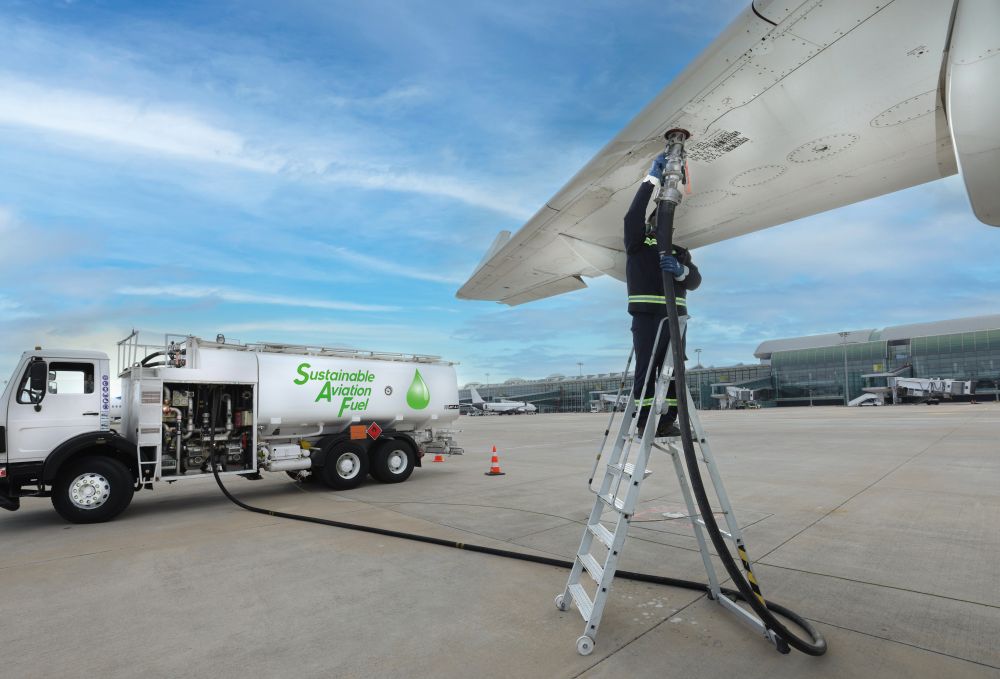
Equally critical is the verification of Sustainable Aviation Fuels (SAF) and biofuel blending ratios. As the industry shifts toward these alternatives, ensuring precise integration into bulk materials like Jet A-1 is essential. Poor analytical testing can obscure alterations in the fuel’s energy density or freezing point. In aviation, this risks severe engine performance issues at altitude, while in commercial transport, it leads to poor combustion and non-compliance with emissions standards.
Lubricant cleanliness
When it comes to particulates in lubricating oils, machinery relies on strict cleanliness standards to protect moving parts. If a laboratory inaccurately measures particulate counts, contaminated oil can be approved for distribution. This microscopic debris causes abrasive wear on internal components, premature bearing failures and significantly shortening the lifespan of expensive consumer vehicles and industrial machinery.
Flash point testing
If flash point testing is improperly conducted or equipment is out of calibration, highly volatile fuel blends can be misclassified, creating severe fire and explosion risks during transport, storage and consumer handling.
Ultimately, these technical failures lead to a devastating loss of market trust. Once a laboratory’s results are proven unreliable by a regulatory body or through a catastrophic mechanical failure in the field, restoring market confidence and client trust takes years.
Best practice: building a culture of quality
Achieving ISO 17025 compliance is not the finish line; simply possessing a Quality Management System (QMS) document does not equate to best practice. A static QMS is merely a baseline. True quality adoption requires a commitment that touches every single component of the full measurement system. This means looking beyond the written procedures to scrutinise everything from initial sampling and daily equipment calibration, down to environmental controls and the ongoing technical competency of the analysts.
Rather than treating the QMS as an infallible rulebook, best practice dictates adopting a mindset that actively questions and probes the system for holes. Internal audits should never be treated as superficial exercises designed merely to appease an external assessor. Instead, they must function as rigorous stress tests. By hunting for systemic weaknesses and utilising tools like Statistical Quality Control (SQC) charting or regular checks against Certified Reference Materials, a laboratory can continually validate its ongoing operational competence.
Crucially, the responsibility for maintaining this standard does not rest solely on the quality team. The real drivers for freezing a culture of continuous improvement within an organisation are regular data reviews, which are reported up to the highest levels of management. When operational leaders and senior managers actively engage with internal audit findings and performance metrics, it sends a clear, top-down message throughout the laboratory: quality is not just a regulatory hurdle, it’s the fundamental foundation of the entire business.
Supporting ISO 17025 laboratories
Stanhope-Seta supports testing laboratories through:
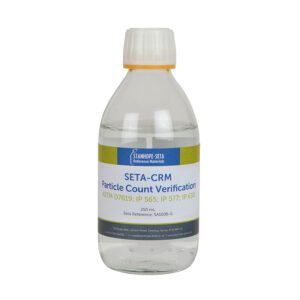
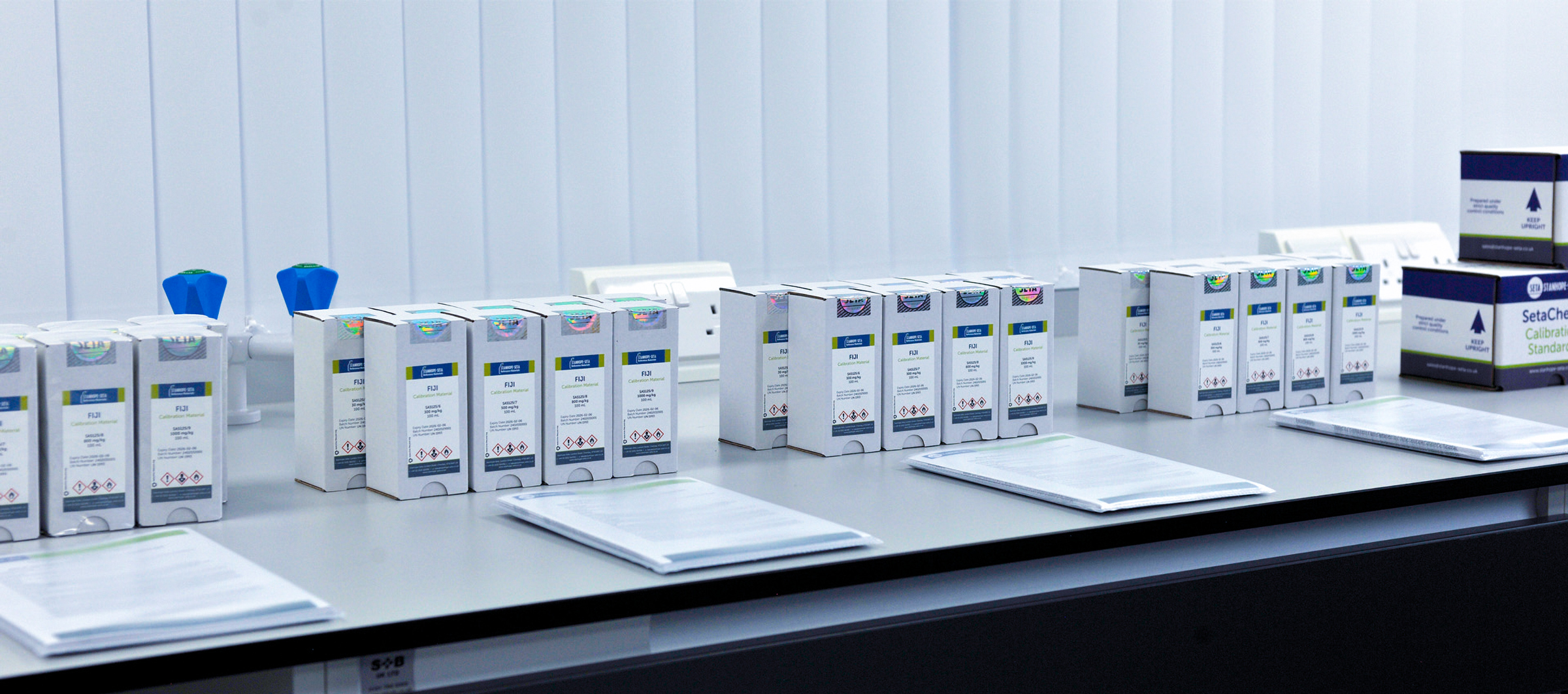
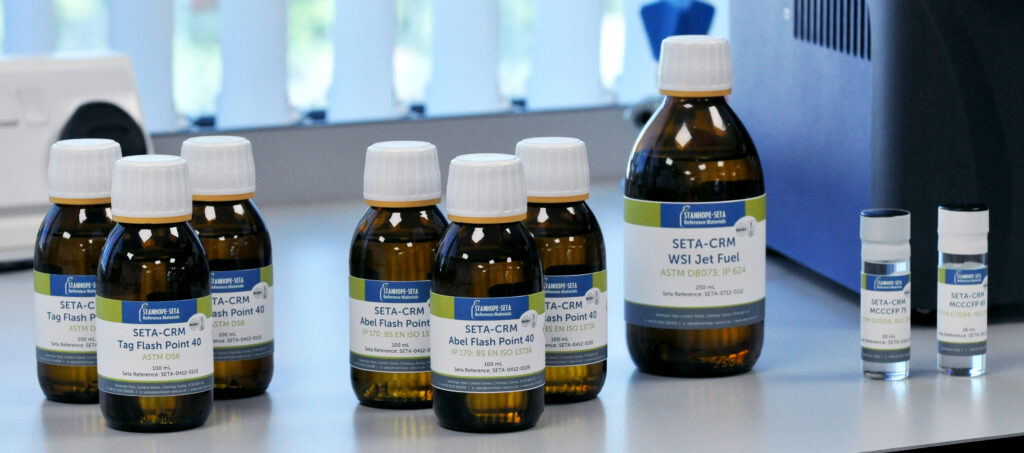
- ISO 17034 Certified Reference Materials
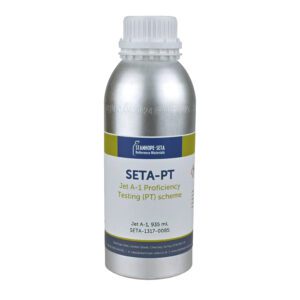
- Proficiency Test Schemes
- Instrument verification materials
- Laboratory test equipment
- Technical support
Looking for Certified Reference Materials or Proficiency Testing Schemes?
Explore our ISO 17034 accredited Reference Materials, Proficiency Test Schemes or contact our technical team to discuss your laboratory requirements.